
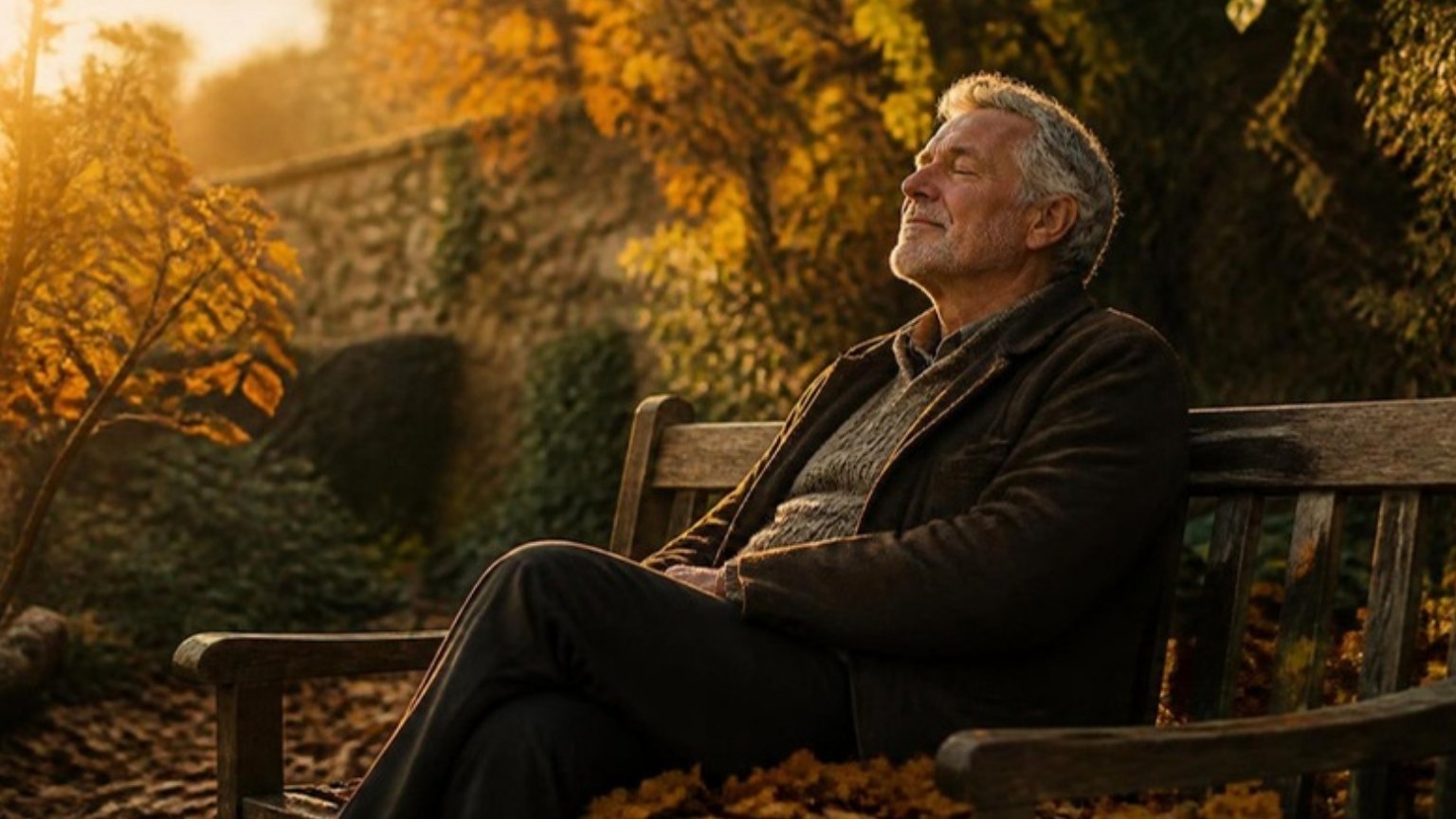
It’s strange for me to watch clients who have just retired struggle with their newfound freedom. They’ve worked toward this moment their entire lives, but when it finally arrives, they have difficulty relaxing into it.
Because I often coach people who are about to retire or have just retired, I have an opportunity to observe this strange but common phenomenon. It seems particularly common among driven, highly accomplished people. Their working lives have been all-consuming. There’s been little time for reflection, little time for looking inward, and perhaps little opportunity to experience life on a deeper, more meaningful level.
What we may not realize is that, without any conscious intention, work can become a way of hiding from ourselves, or at least from those deeper parts of ourselves we find difficult to understand. When we stop working, we can discover that we no longer have anywhere to hide.
Coming to terms with the parts of ourselves we’ve ignored can feel like an overwhelming burden, especially later in life. But there’s another way to look at this. Perhaps what feels like a burden is also an opportunity: the opportunity to discover a way of living we’ve never really known.
After a Lifetime of Constant Doing
Part of the difficulty stems from our misunderstanding of the difference between doing and being. The more driven we are, the more likely we are to focus on doing, and doing, and doing some more. Simply being? To someone accustomed to measuring life by what gets accomplished, it can seem like a waste of time. After all, if nothing is getting done, what’s the point?
But here’s the problem: the identity you spent your life constructing may no longer fit the life you’re living. So much of who you thought you were was tied to what you did, what you accomplished, and the value others placed on your work. Now that work is no longer there to define you, you have an opportunity to discover who you are beyond it.
Learning to see the difference between who you are and who you’ve thought you had to be is a good place to start.
Remember, you retire from your work. You don’t retire from your life. You may have become very good at a life organized around doing. Now you have an opportunity to discover what it means to be good at simply living. And that can be infinitely more satisfying. You may even find yourself accomplishing things you never imagined, precisely because you’re no longer organizing your life around the need to accomplish something.
This doesn’t mean spending your waking hours staring into space. It means that, perhaps for the first time in your life, your days can be about something other than a regimented schedule of constant activity. You get to decide what matters to you now, without assuming that every worthwhile moment must produce a result.
In other words, you get to make up what your life will be.

The Value of Simply Being
There’s more value in simply being than I could hope to describe. When doing takes precedence over being, life can become a production line. We move from one task to the next, measuring our days by what we’ve accomplished. There’s little time to reflect, to see our lives through a different lens, or to recognize the beauty and meaning that have been there all along.
The exhaustion that driven people experience may have less to do with pushing themselves too hard than with their discomfort at the thought of simply being. When you’ve spent a lifetime doing, not doing can feel unnatural, even frightening. You may feel that something is missing, that you should be doing more, that you’re somehow wasting your time.
But if your entire life has been organized around doing, how could you possibly know what a life that includes being might feel like? You’re judging an experience you haven’t really allowed yourself to have.
Imagine someone who has never been in love because they’ve always been too busy. If love suddenly became a possibility, they might talk themselves out of it. They might decide it would be too disruptive, too time-consuming, or simply not worth the trouble. How could they know what they’d be missing? They have no experience of how love might change their life. The only way to find out is to experience it for themselves.
The same is true of being.
We all have the opportunity to experience the depth and richness that come from being present to our lives, rather than constantly trying to manage, improve, or accomplish something within them. But if we never slow down enough to experience that for ourselves, we may never discover what we’ve been missing.
Two Ways to Live in Retirement
Retirement offers us an unusual opportunity. We can continue to live as though our worth depends on what we do, filling our days so that nothing has to change. Or we can begin to discover a different way of living, one in which who we are matters as much as what we do.
One path can leave us feeling as though life is getting smaller, with fewer possibilities and less purpose. The other can open us to a world we’ve barely had the time to notice, one where we find ourselves falling even more in love with life.
After a lifetime of doing, we may discover that being isn’t the end of a productive life.
It’s the beginning of a fuller one.
Related Reading
I’ve written before about how tempting it is to fill every hour once work is over. If that pattern sounds familiar, you might enjoy Retirement Is More Than Staying Busy.